
Discover how modern Madrasahs are blending Islamic values with technology and modern education to prepare students for both deen and dunya. Learn why this balanced approach is shaping the future of Islamic learning.
Introduction: A New Era of Islamic Education
For centuries, Madrasahs have been the heart of Islamic learning — nurturing generations of scholars, leaders, and educators. Traditionally, these institutions focused on Quran, Hadith, Arabic, and Islamic jurisprudence. But in today’s rapidly changing world, education must evolve to meet new challenges.
Modern Madrasahs are now redefining learning by combining the timeless principles of Islam with the power of modern education and technology. This new approach ensures students not only understand their faith deeply but also thrive in a global, tech-driven world.
1. The Changing Landscape of Education
Education today is no longer limited to textbooks and chalkboards. Technology has transformed how children learn — through digital platforms, smart classrooms, interactive visuals, and global connectivity.
Madrasahs that embrace this change are helping their students bridge the gap between tradition and innovation. By introducing English-medium instruction, computer literacy, and critical thinking into Islamic education, they prepare children to succeed both academically and spiritually.
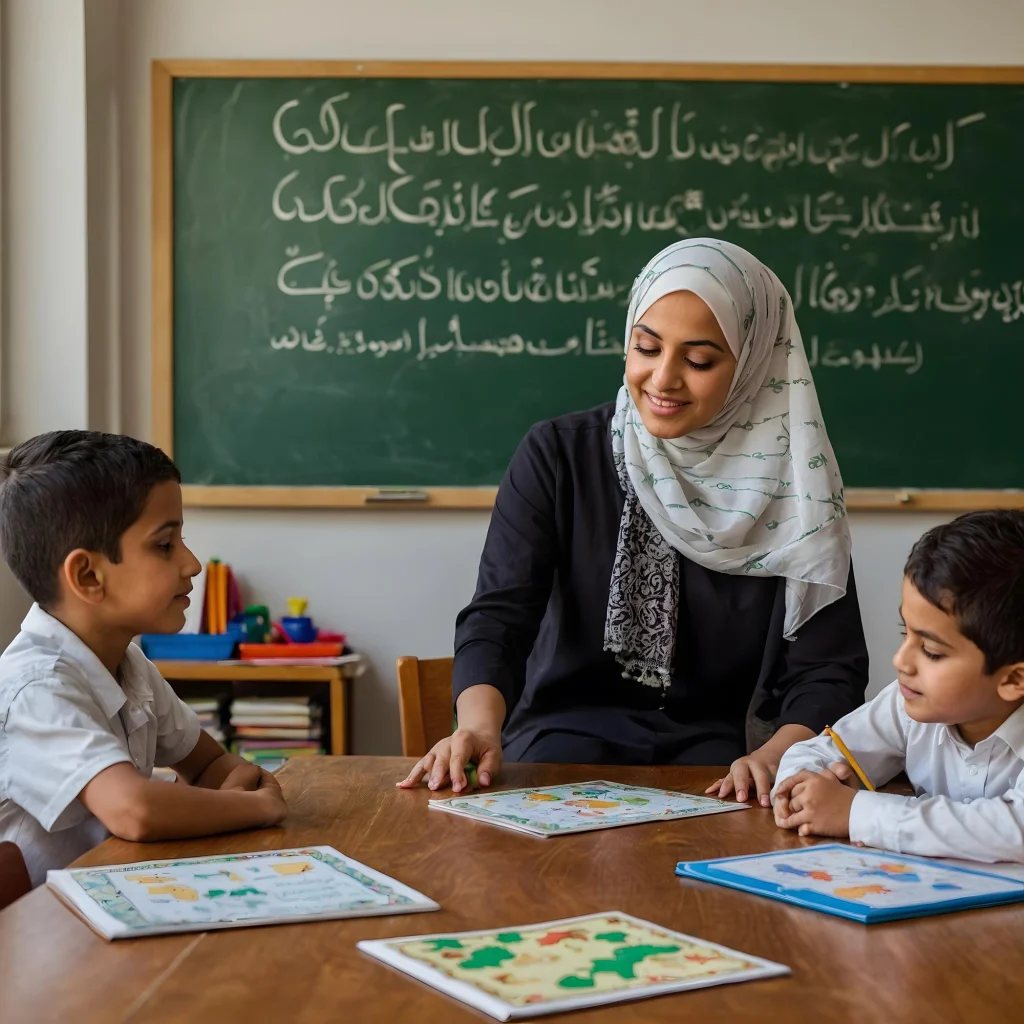
For instance, at Al-Araf International Madrasah, students learn Arabic and Islamic studies through engaging visuals, storytelling, and digital resources. This makes learning not just effective, but enjoyable — inspiring curiosity while maintaining strong Islamic values.
2. Preserving Faith While Embracing Modernity
One common misconception is that modern education may weaken religious values. But in reality, when balanced properly, modern tools actually strengthen Islamic learning.
Through structured programs, students first build a strong foundation in Quran, Tajweed, and Arabic language. Then, modern subjects like English, mathematics, and science are added to develop analytical and communication skills.
This harmony between deen and dunya creates confident, morally strong, and intelligent individuals who can lead their communities with wisdom and faith. Instead of separating religious and worldly knowledge, modern Madrasahs show that both can grow together.
3. The Role of Technology in Islamic Learning
Technology has become an essential part of today’s education system — and Islamic schools are harnessing it in powerful ways.
Digital Quran and Arabic Apps: Interactive tools make recitation, Tajweed, and memorization easier for young learners.
Smart Classrooms: Audio-visual lessons bring stories of the Prophets, Islamic history, and moral lessons to life.
Online Learning Platforms: Students can review lessons, access resources, and even attend virtual Quran classes from home.
QR Codes & eBooks: Supplementary learning materials help parents and students continue lessons outside the classroom.
By integrating technology, Madrasahs ensure that learning is engaging, accessible, and relevant to the next generation.
4. Bilingual Education: Arabic + English Advantage
In today’s world, communication is key. English-medium Arabic schools provide a dual advantage — fluency in English for global understanding and mastery of Arabic for religious depth.
At Al-Araf International Madrasah, lessons are taught in both English and Arabic, helping students understand Islamic concepts easily while strengthening their international language skills.
This bilingual foundation helps children:
Understand Quranic meanings deeply
Communicate confidently in global platforms
Access higher education worldwide
Represent Islam effectively across cultures
The goal is to produce students who are equally comfortable reciting the Quran and participating in international academic discussions — true ambassadors of balanced education.
5. Curriculum That Combines Faith and Skills
A well-designed curriculum is the heart of this transformation. Modern Madrasahs no longer focus on rote memorization alone — they encourage creativity, reasoning, and problem-solving.
Subjects like Science, Math, English, and ICT are integrated with Quran, Arabic, and Islamic Studies, so students develop both intellectual and moral excellence.
For example:
A science class may discuss the signs of Allah in creation.
A language class may focus on Quranic expressions and Arabic roots.
A moral lesson may connect to real-life challenges faced by youth today.
This approach creates students who not only know Islam but also live it in every part of life.
6. Character Building and Life Skills
Modern Madrasahs understand that education is not only about academics — it’s about shaping the heart.
Character development is at the center of Al-Araf’s teaching philosophy. Students learn manners, respect, teamwork, empathy, and discipline alongside their studies.
Teachers serve as mentors, guiding children to become honest, responsible, and caring Muslims. This helps them face real-world challenges with strong faith and good character — the essence of true Islamic education.
7. Empowering Teachers with Modern Methods
Behind every great student is a great teacher. That’s why teacher development is a top priority in modern Madrasahs.
Teachers are trained to use modern teaching techniques — such as storytelling, digital presentations, games, and discussion-based learning — to make lessons more interactive.
They also learn classroom management, emotional guidance, and communication skills to better connect with students. With proper support, teachers become facilitators of learning rather than mere instructors.
8. Preparing Students for the Global Stage
The goal of modern Islamic education is not only to create pious individuals but also capable leaders who can contribute positively to society.
Students graduating from modern Madrasahs are equipped with:
Strong command over Arabic and English
Deep understanding of Islamic values
Confidence in public speaking and leadership
Awareness of global challenges and responsibilities
They can pursue higher education, serve in various professions, or become scholars and educators — all while staying true to their faith.
9. Parental Involvement and Community Support
Education thrives when schools, teachers, and parents work together.
Modern Madrasahs encourage parents to participate in their child’s learning journey through parent meetings, online progress tracking, and special events. This collaboration creates a supportive environment where children feel motivated and guided both at home and in school.
Conclusion: A Balanced Path for a Bright Future
The future of Islamic education lies in balance — where the Quran meets technology, and tradition walks hand in hand with innovation.
Madrasahs like Al-Araf International Madrasah are proving that it’s possible to nurture both the heart and the mind. By blending faith, modern education, and digital tools, they are raising a generation of confident, knowledgeable, and ethical Muslims ready to face the world with iman and excellence.